← Guides Peptide 101
Microneedling for Beginners
Microneedling Guide for Beginners
What you need
-
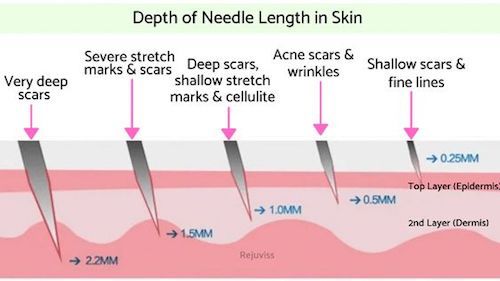
Microneedling pen or stamp (≤0.5 mm needle length for home beginners).
-
New sterile needle cartridge for each session; never reuse.
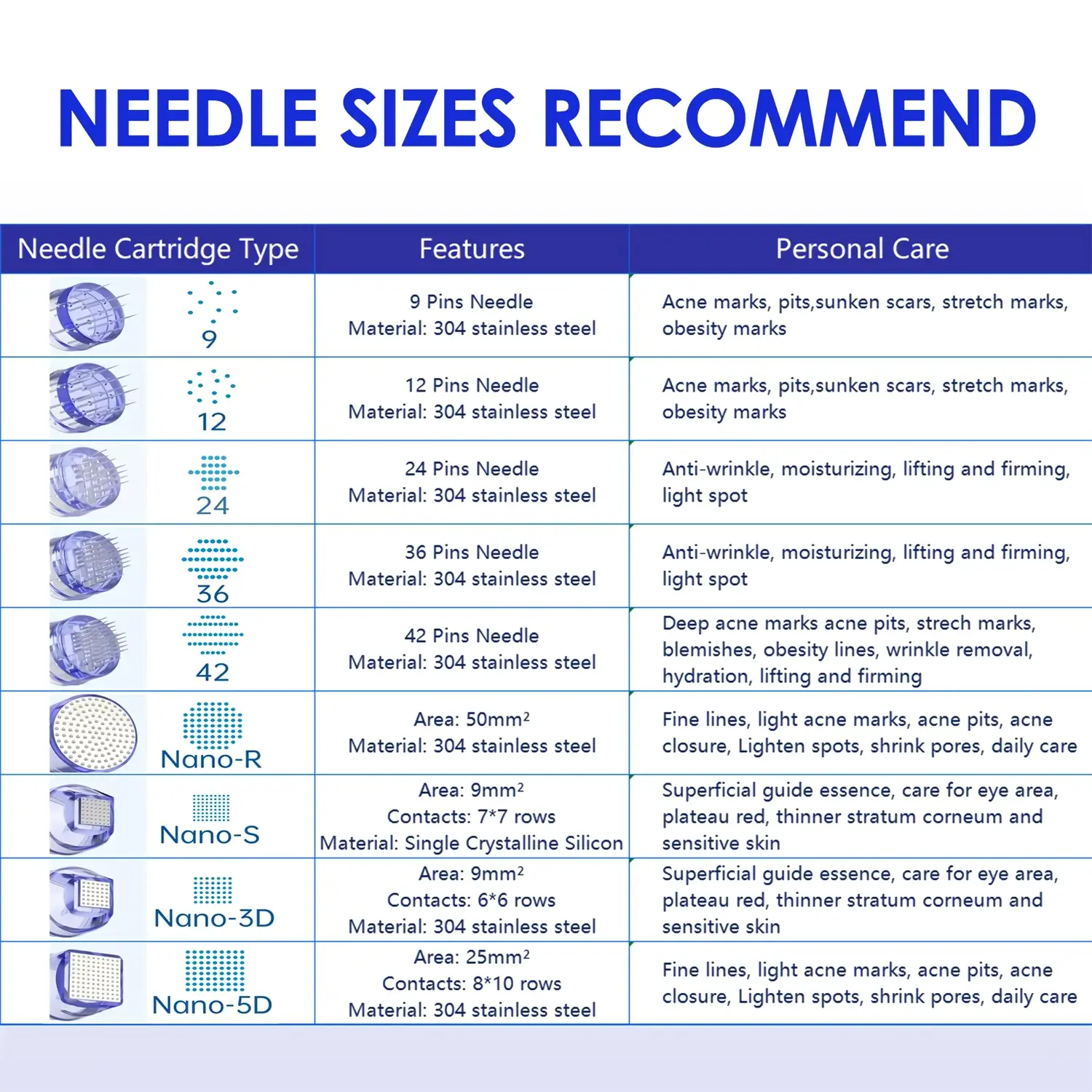
- If you have never done microneedling before, I would suggest starting with a Nano Cartridge or 36-pin.
-
Gentle non‑active cleanser (no acids, no retinoids).
-
70% isopropyl alcohol in spray or cup for device disinfection.
-
Alcohol wipes or pads for skin and device surfaces.
-
Nitrile gloves (optional but recommended).
-
10% lidocaine topical anesthetic cream (optional; follow package directions).
-
Sterile saline or simple, fragrance‑free hyaluronic acid serum for slip. (You MUST use a slip when microneedling)
-
Optional actives to mix in like PDRN or other low‑irritant meso‑style solutions.
-
Disposable gauze pads or cotton rounds.
-
Broad‑spectrum mineral sunscreen SPF 30+ for next day.
24 hours before
- Stop retinoids, exfoliating acids, benzoyl peroxide, and harsh scrubs.
- Avoid alcohol, heavy sun exposure, or other irritating treatments (peels, waxing, laser)
Step‑by‑step prep
- Wash hands thoroughly; put on gloves if using.
- Disinfect device in 70% alcohol; let air‑dry on clean tissue.
- Double cleanse: wash face with gentle cleanser, rinse, repeat, then pat completely dry with a clean towel.
- Wipe treatment area once with an alcohol pad; let it dry fully.
- If using lidocaine cream, apply a thin layer to treatment zones, avoiding eyes and lips; cover with plastic wrap if label permits and leave on only as long as directions allow, then remove completely and gently cleanse again so no anesthetic remains on skin.
Microneedling technique (beginner)
- Attach a brand‑new sterile cartridge to the pen; do not touch the needles.
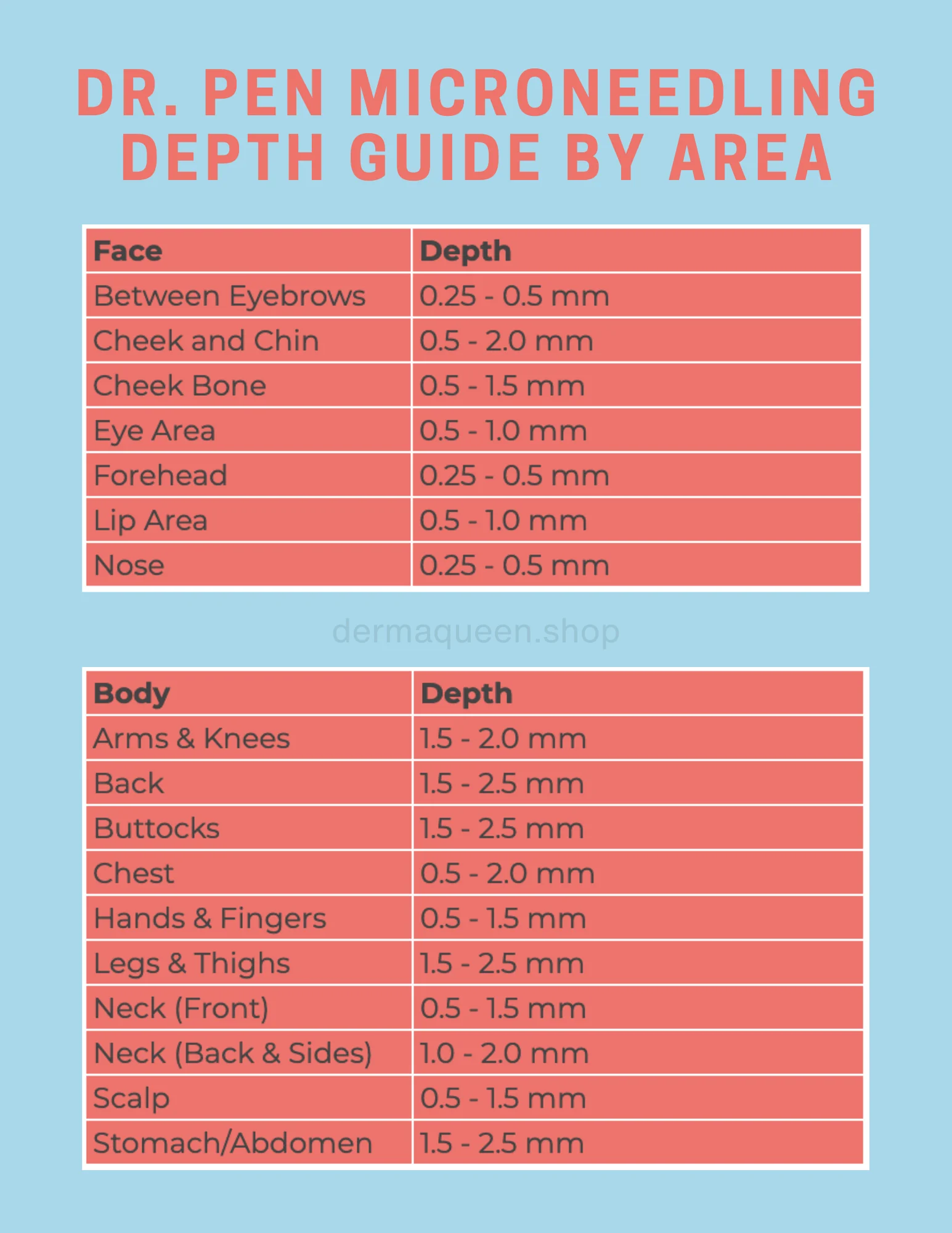
- Set depth to a conservative range (about 0.25–0.5 mm for face, lower around eyes and forehead), aiming for mild redness without pinpoint bleeding.
- Apply a thin layer of sterile saline or plain HA serum to a small area on your face so the tip glides without dragging.
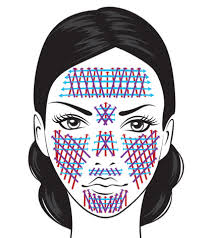
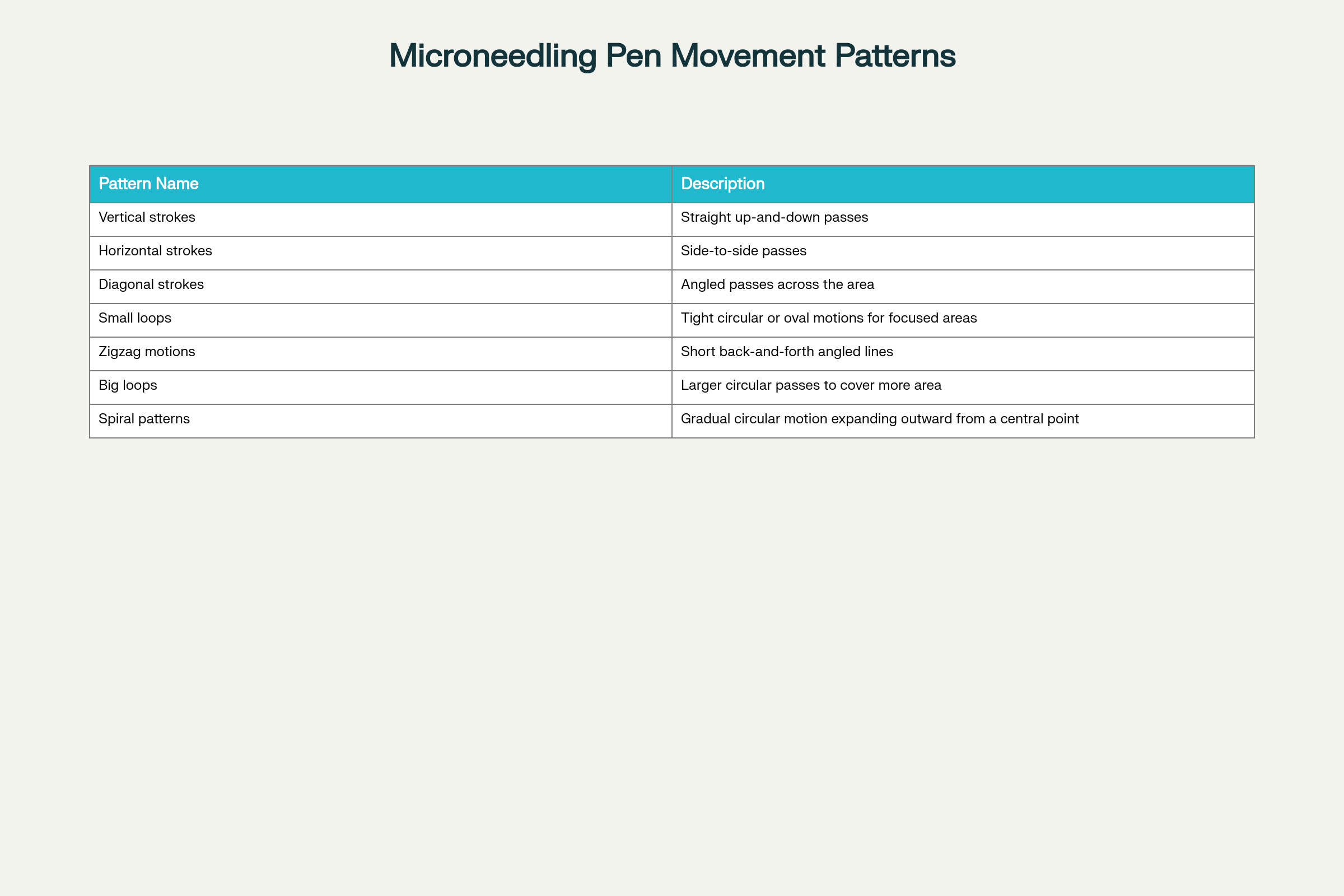
- Work in small sections (forehead, cheeks, chin, etc.), moving in straight lines with light, even pressure; use either a gentle stamping method or slow passes in vertical and horizontal directions.
- Do 2–3 passes per section max, watching for uniform pinkness; stop if you see significant bleeding, intense pain, or streak marks.
- Avoid active acne, cold sores, inflamed or broken skin entirely.
- When finished, apply a small amount of sterile PDRN or other chosen serum to the treated area if your skin tolerates it, keeping formulas simple and non‑irritating.
Immediately after (first 4–6 hours)
- Expect redness, warmth, and tightness similar to a sunburn; this is normal at shallow depths.
- Do not wash your face.
First 0–24 hours
- Do not wash the treated area for at least 4–6 hours; after that, only rinse with cool or lukewarm water (no cleanser yet).
- Keep hands off the skin except with clean fingers when absolutely necessary to apply product.
- Use only a simple, sterile hydrating product such as plain hyaluronic acid or your PDRN/soothing ampoule; avoid fragrances, actives, or occlusive heavy oils.
- If skin feels tight or hot, apply a thin layer of hydrating serum or bland moisturizer every few hours as needed; do not use ice packs or strong anti‑inflammatory creams unless directed by a professional.
- Avoid makeup, self‑tanner, and any brushes/sponges that could introduce bacteria.
- Stay out of direct sun; if you must go outside, use a wide‑brim hat and choose a gentle mineral SPF only.
- Skip workouts, saunas, hot tubs, swimming, and anything that makes you sweat heavily.
24–48 hours
- Begin gentle cleansing 1–2 times per day with a non‑foaming, non‑active cleanser and lukewarm water; pat dry with a clean towel.
- Continue hydrating with bland moisturizers and/or HA serum; reapply whenever skin feels dry, tight, or itchy.
- During the day, apply a mineral SPF 30+ as the last step, and reapply if you’re outside; avoid long sun exposure entirely if possible.
- Do not use: retinoids, vitamin C, exfoliating acids (AHA/BHA), benzoyl peroxide, scrubs, or strong anti‑aging serums for at least 48 hours (longer if skin is still sensitive).
- Avoid alcohol, smoking, very spicy food, and high‑intensity exercise, as these can increase redness and slow healing.
- Do not pick at flaking or peeling; let it shed naturally to avoid hyperpigmentation or scarring.
Topical Products to Use
Hydration and barrier support (best for beginners)
- Sterile saline or simple hyaluronic acid serums (few ingredients, fragrance‑free) for glide and immediate post‑treatment hydration.
- Barrier‑supporting moisturizers with ceramides, cholesterol, and fatty acids to calm and repair the skin afterward.
Peptides and growth factors
- Cosmetic peptides like GHK‑Cu, matrixyl‑type peptides, and general “peptide complex” serums can be layered on after needling to support visible firmness and repair.
- Growth‑factor or EGF serums are often used professionally with microneedling to encourage wound healing and collagen signaling
PDRN, Exosomes and regenerative “meso” solutions
- PDRN (polydeoxyribonucleotide), Exosomes, and similar regenerative solutions are used in some clinics with microneedling for extra wound‑healing support.
- At home, these should be sterile, non‑preserved vials intended for transdermal use; anything injectable or compounded for injection should only be used under medical supervision.
Copper peptides (GHK‑Cu)
- GHK‑Cu creams or serums can be applied after microneedling to enhance penetration and support elasticity and repair; research suggests microneedles significantly increase its delivery through skin with good short‑term tolerability.
- Start with low frequency and avoid layering with strong acids or retinoids on the same days to minimize irritation risk.
Microtox
-
Botox can be used in microneedling applications to:
- Reduce pore size and overall oil/sebum production, especially on the T‑zone and cheeks, which can give a smoother, “glass skin” .
- Softening fine lines, mild laxity, facial flushing, rosacea‑type redness, and sometimes facial or craniofacial sweating (hyperhidrosis).
-
How it works mechanistically
- Botulinum toxin A blocks acetylcholine signaling in the superficial dermis, which can slightly relax tiny muscle fibers attached to the skin and reduce sebum and sweat gland activity without fully paralyzing deeper facial muscles.
- Microneedling (or microneedle devices/patches) creates uniform, controlled micro‑channels in the epidermis/upper dermis; diluted toxin applied or delivered through these channels spreads in a very thin, superficial sheet rather than in a few deep bolus injections.